How to Grade Coins at Home: Complete Beginner's Guide
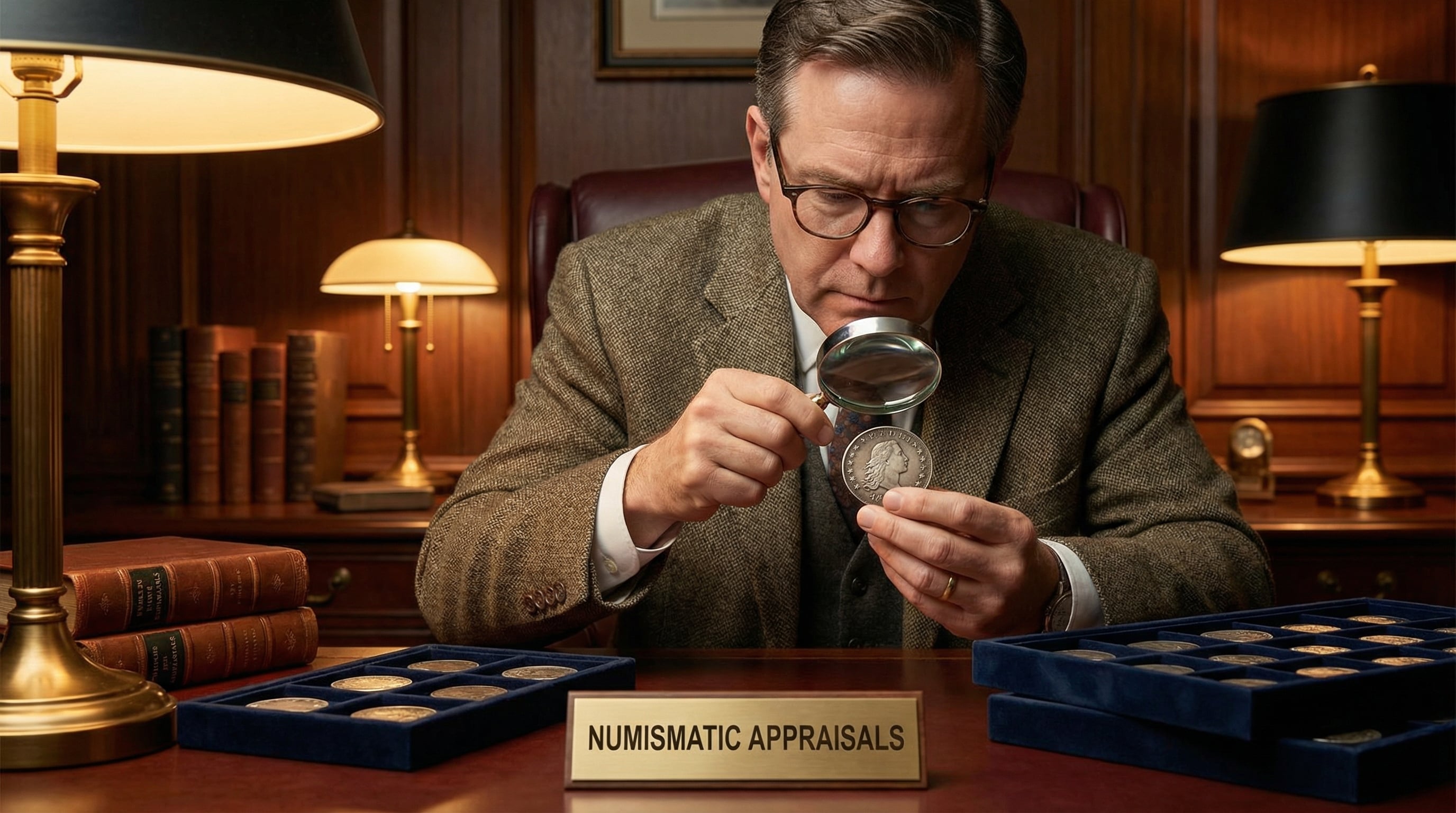
How to Grade Coins at Home: Complete Beginner's Guide
Ever found an old coin in your pocket change or inherited a collection and wondered, "Is this worth anything?" The answer often lies in its grade. Coin grading is the process of determining a coin's physical condition, which is the single most important factor in determining its value. While professional grading services like PCGS and NGC are the gold standard, learning to grade coins at home is a rewarding and essential skill for any budding numismatist.
This comprehensive guide will walk you through everything you need to know to start grading coins from the comfort of your home. We'll demystify the terminology, explain the tools of the trade, and provide a step-by-step process to help you evaluate your coins with confidence. And who knows? You might just have a hidden treasure in your hands.
Understanding the Basics of Coin Grading
Before you can grade a coin, you need to understand the fundamental concepts that underpin the process. The most widely accepted grading system is the Sheldon Scale, which rates coins on a 70-point scale.
The Sheldon Scale: A 70-Point System
Developed by Dr. William Sheldon in 1949, this scale was initially for U.S. large cents but is now the industry standard for all coins. Here's a simplified breakdown:
- P-1 (Poor): Barely identifiable. Most of the details are gone.
- FR-2 (Fair): Rims are mostly worn away. The date and mintmark may be illegible.
- AG-3 (About Good): Most of the design is worn flat, but the main design elements and date are visible.
- G-4 (Good): Major design elements are outlined, but details are gone. Rims are worn.
- VG-8 (Very Good): Full rims, with clear design elements. Some details are visible.
- F-12 (Fine): All major details are visible, with some finer details starting to appear.
- VF-20 (Very Fine): Most details are sharp. Some light wear is present on the high points of the design.
- EF-40 (Extremely Fine): Light wear on the highest points. Traces of mint luster may be present.
- AU-50 (About Uncirculated): Very light traces of wear on the highest points. At least half of the original mint luster is still present.
- MS-60 to MS-70 (Mint State): Uncirculated coins with no signs of wear. The numbers from 60 to 70 denote the quality of the strike, the presence of contact marks, and the overall eye appeal. An MS-70 coin is a perfect coin.
Key Areas to Inspect on a Coin
When grading, you're essentially looking for wear and tear. The highest points of a coin's design are the first to show wear. These are the key areas to inspect. For example:
- Lincoln Cent: Lincoln's cheekbone and the top of the wheat stalks.
- Washington Quarter: Washington's hair and the eagle's breast feathers.
- Morgan Dollar: Liberty's hair above the ear and the eagle's breast.
Knowing these key areas for the coins you're grading is crucial for accurate assessment.
Tools of the Trade: What You'll Need
You don't need a high-tech lab to grade coins at home, but a few essential tools will make the process much easier and more accurate.
Essential Coin Grading Tools
- Magnification: A good quality magnifying glass is your best friend. A 5x to 10x loupe is the standard for coin grading. This will help you see the fine details and detect any subtle wear.
- Proper Lighting: A bright, direct light source is essential. A desk lamp with a neutral white light bulb is ideal. Avoid fluorescent lighting, which can alter the coin's appearance.
- Soft Surface: Always handle your coins over a soft surface, like a velvet pad or a soft cloth. This will prevent damage if you accidentally drop a coin.
- Coin Holders: Protect your coins with appropriate holders. 2x2 cardboard flips are a cheap and effective option for most coins. For more valuable coins, consider acid-free plastic holders (slabs).
- Reference Materials: A good coin reference book, like the "Official Red Book: A Guide Book of United States Coins," is invaluable. It provides detailed information about different coin types, including mintage figures and key date information.
Step-by-Step Guide to Grading Coins at Home
Now that you have the basic knowledge and tools, it's time to start grading. Follow these steps for a consistent and accurate grading process.
Step 1: Identify Your Coin
Before you can grade a coin, you need to know what it is. Identify the coin's type, date, and mintmark. The mintmark is a small letter that indicates where the coin was minted (e.g., "S" for San Francisco, "D" for Denver).
Step 2: Authenticate the Coin
Is your coin genuine? Counterfeits are a real problem in the coin world. While it can be difficult for beginners to spot fakes, here are a few things to look for:
- Weight and Dimensions: Compare the coin's weight and diameter to the official specifications.
- Magnet Test: Most coins are not magnetic. If your coin sticks to a magnet, it's likely a fake (with a few exceptions).
- Mushy Details: Counterfeit coins often have less sharp details than genuine ones.
Step 3: Evaluate the Coin's Surface
Hold the coin by its edges and tilt it under your light source. Look for any signs of wear, scratches, or other damage. Pay close attention to the key areas of the design.
- Luster: Does the coin still have its original mint luster? This is the "frosty" appearance that new coins have.
- Strike: How well was the coin struck? A well-struck coin will have sharp, clear details.
- Eye Appeal: This is a subjective but important factor. Does the coin have a pleasing appearance?
Step 4: Assign a Grade
Based on your evaluation, assign a grade to the coin using the Sheldon Scale. Be honest and objective in your assessment. It's helpful to compare your coin to images of professionally graded coins of the same type.
Step 5: Document Your Findings
Keep a record of your grades. You can use a simple spreadsheet or a dedicated coin inventory software. This will help you track your collection and your progress as a grader.
Common Beginner Mistakes to Avoid
Learning to grade coins takes time and practice. Here are some common mistakes that beginners make:
- Overgrading: It's easy to be too optimistic about your coins. Try to be as objective as possible.
- Ignoring "Problem" Coins: Coins that have been cleaned, damaged, or altered are considered "problem" coins and will receive a lower grade.
- Not Using Proper Lighting: Good lighting is crucial for seeing the fine details of a coin.
- Handling Coins Improperly: Always hold coins by their edges to avoid getting fingerprints on the surface.
Take Your Grading to the Next Level with CoinSensei
Grading coins at home is a fantastic way to engage with your collection on a deeper level. It's a skill that will serve you well, whether you're a casual collector or a serious investor.
Ready to put your new skills to the test? For an even easier and more accurate way to grade your coins, check out the CoinSensei app. Our AI-powered app uses your phone's camera to analyze your coins and provide an instant grade, taking the guesswork out of the equation. Join our waitlist today and unlock the true value of your collection!
CoinSensei Team
Expert numismatists and developers building tools to help collectors understand and value their coins. Our team combines decades of coin collecting experience with cutting-edge AI technology.